How the thyroid responds to yoga
The thyroid gland regulates metabolism, energy, temperature, and dozens of other functions. Yoga addresses both hypothyroidism (by stimulating the gland) and hyperthyroidism (by calming the nervous system that drives the overactive thyroid) through different mechanisms.
Best yoga poses for hypothyroidism
Sarvangasana (shoulder stand) is considered the most directly thyroid-stimulating pose. The chin-lock position applies direct compression to the thyroid, followed by a rush of fresh blood on release. Matsyasana (fish pose) extends the throat and stimulates the thyroid from the front. Ustrasana (camel) and Setu Bandha Sarvangasana (bridge) open the throat and stimulate thyroid function.
Pranayama for thyroid regulation
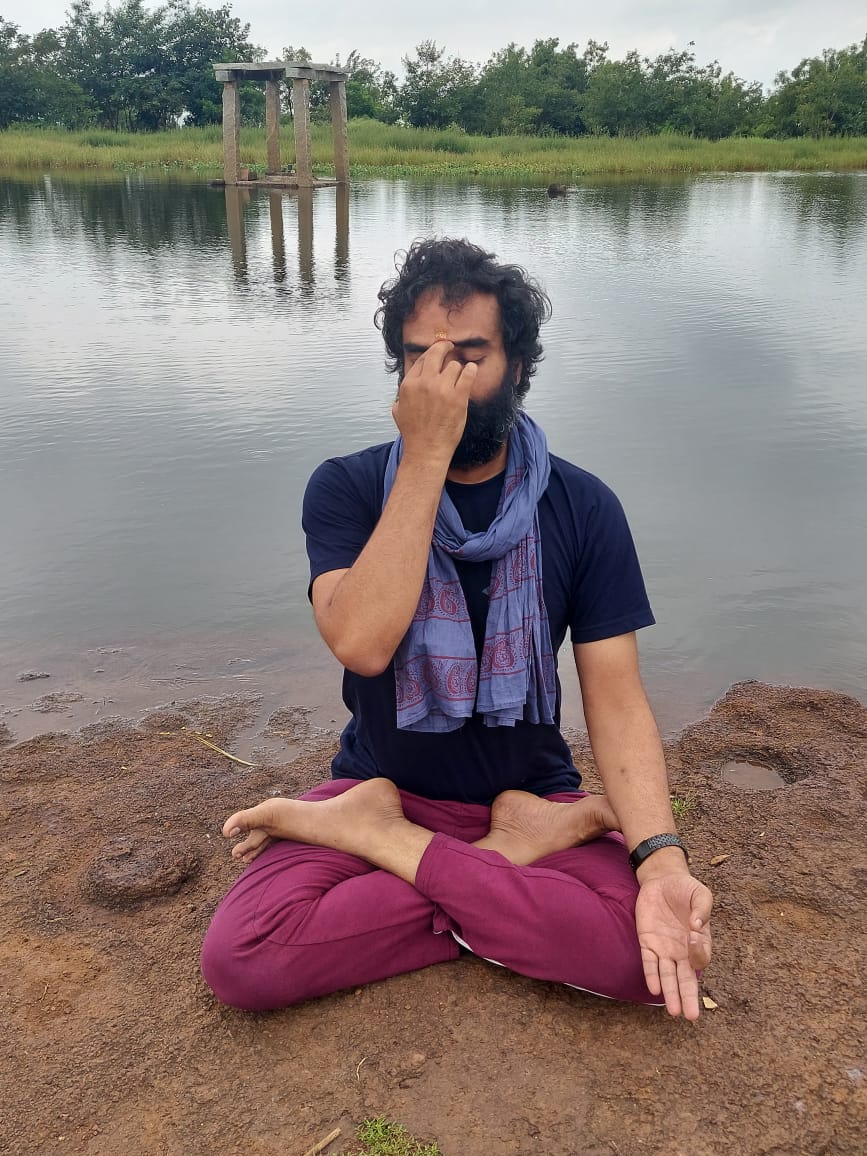
Ujjayi pranayama involves a gentle throat constriction that directly stimulates the thyroid and parathyroid glands. Practiced for 10–15 minutes daily, it is among the most effective pranayama for thyroid support. For hyperthyroidism, Sitali (cooling breath) and Chandra Bhedana (left nostril breathing) calm the overactive system.
Important cautions
Yoga for thyroid conditions should always be practiced alongside — never instead of — your prescribed medical treatment. Never stop thyroid medication to try yoga. Share your diagnosis and TSH levels with your trainer before beginning.