The research on yoga and blood pressure
Multiple peer-reviewed studies demonstrate that regular yoga practice reduces systolic blood pressure by an average of 10–15 mmHg and diastolic pressure by 6–10 mmHg — comparable to a first-line antihypertensive medication.
Most effective practices for hypertension
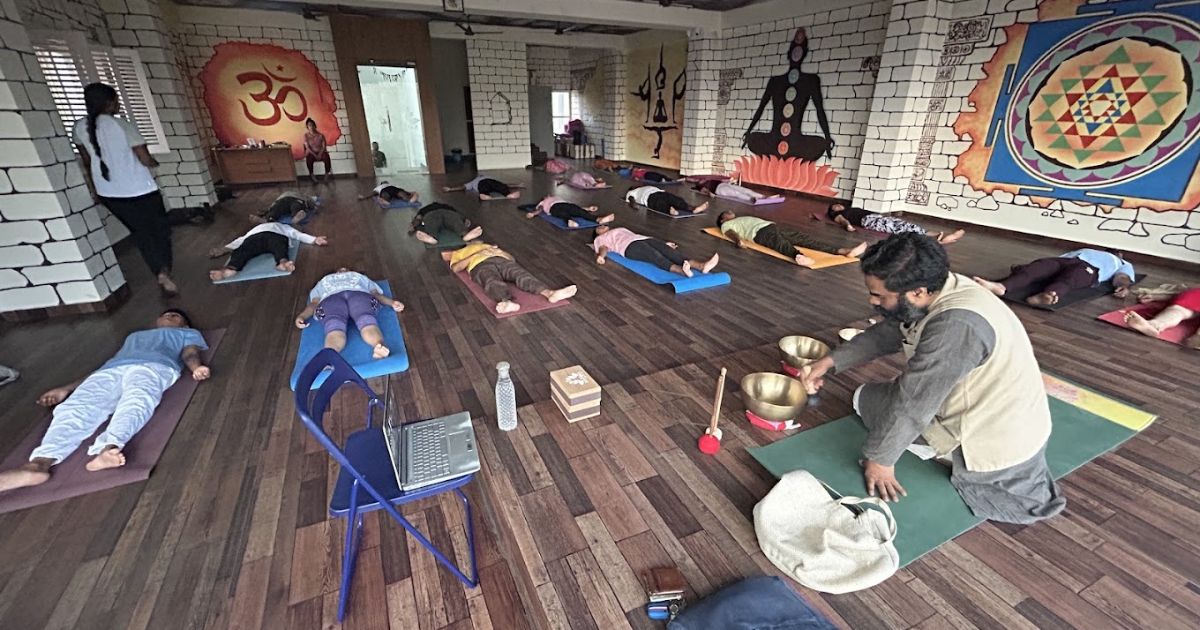
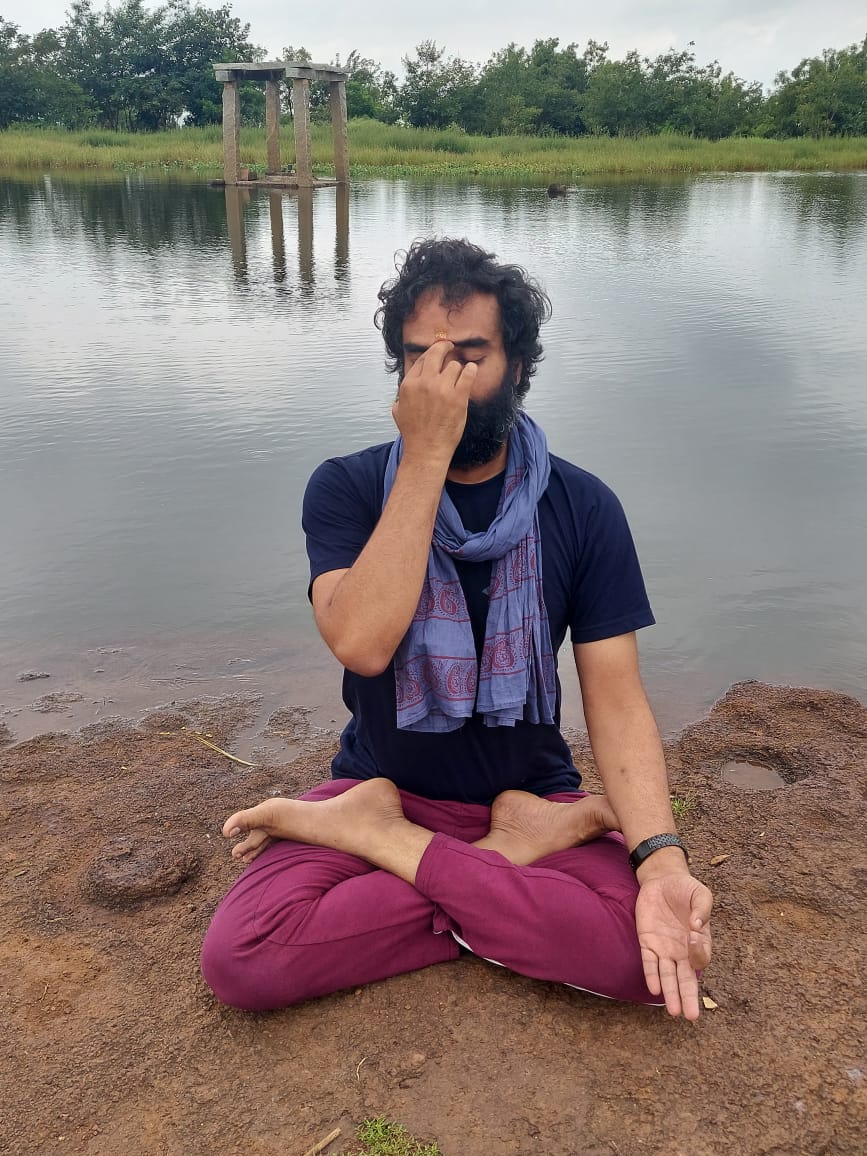
Savasana practiced with conscious breath for 20 minutes daily produces some of the most consistent blood pressure reductions documented in research. Nadi Shodhana for 15–20 minutes daily shows significant reductions in both systolic and diastolic pressure within 6–8 weeks. Bhramari directly stimulates the vagus nerve with immediate effects on heart rate and blood vessel tone.
Practices to avoid with hypertension
Kapalabhati and Bhastrika practiced vigorously should be avoided or significantly moderated for hypertension — they temporarily increase intra-thoracic pressure. Inversions and poses requiring significant breath retention should be practiced only under guidance.
Can yoga replace blood pressure medication?
For some with stage 1 hypertension who make consistent lifestyle changes including daily yoga, blood pressure normalisation without medication is achievable. However, this is always a medical decision made with your doctor. Never stop BP medication without medical guidance.