Why anxiety responds so well to yoga
Anxiety is not a thought problem — it is a nervous system problem. The vagus nerve, which governs the parasympathetic response, is directly stimulated by slow, deep, controlled breathing. You can literally breathe your way out of anxiety.
Technique 1 — Extended exhale breathing
Inhale for 4 counts, exhale for 8 counts. Repeat for 10 rounds. The extended exhale activates the vagus nerve and shifts the nervous system from sympathetic to parasympathetic. Most people feel a measurable change within 5 rounds.
Technique 2 — Bhramari (humming bee breath)
Close your eyes, plug your ears with your thumbs, and hum on the exhale. The vibration stimulates the vagus nerve directly. Practiced for 5–10 minutes, Bhramari is one of the most powerful anxiety interventions in the yogic toolkit.
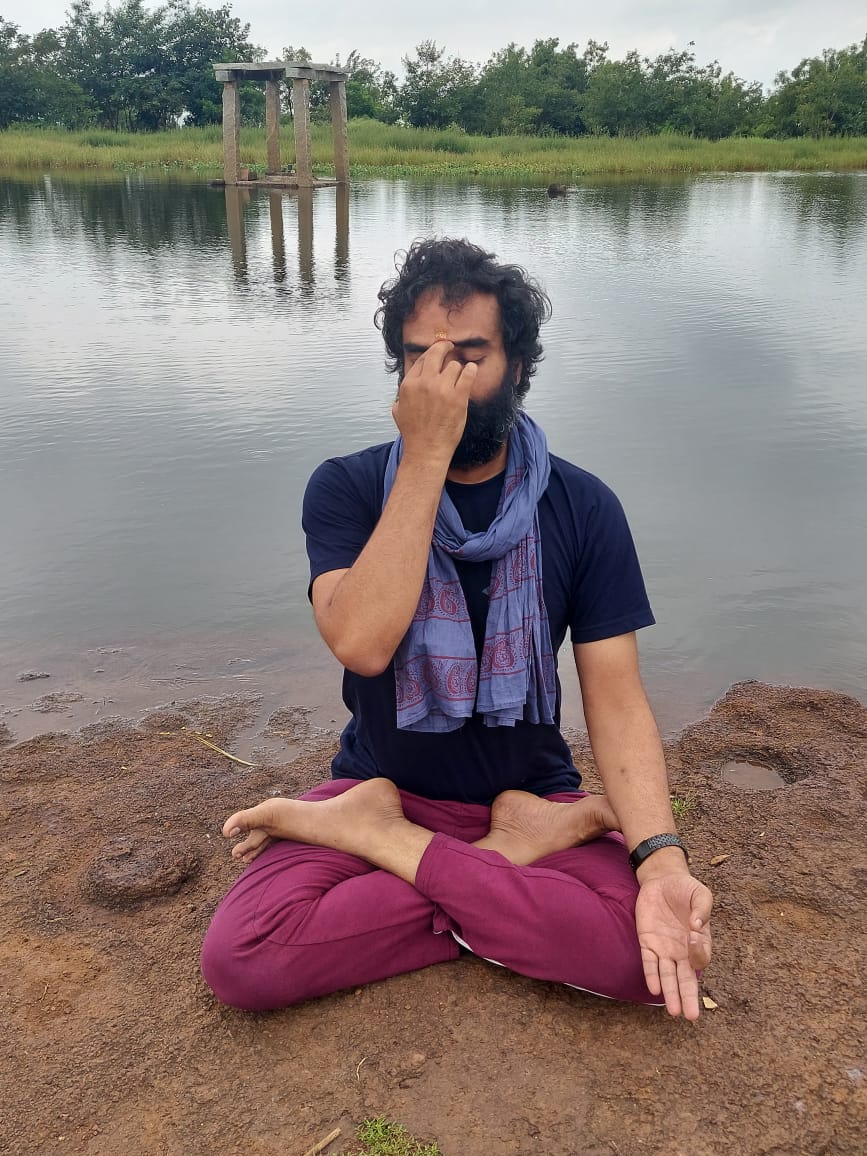
Technique 3 — Nadi Shodhana
Alternate nostril breathing balances the left and right brain hemispheres and regulates the autonomic nervous system. 10 minutes produces a measurable shift in heart rate variability. Regular practice reduces baseline anxiety within 4–6 weeks.
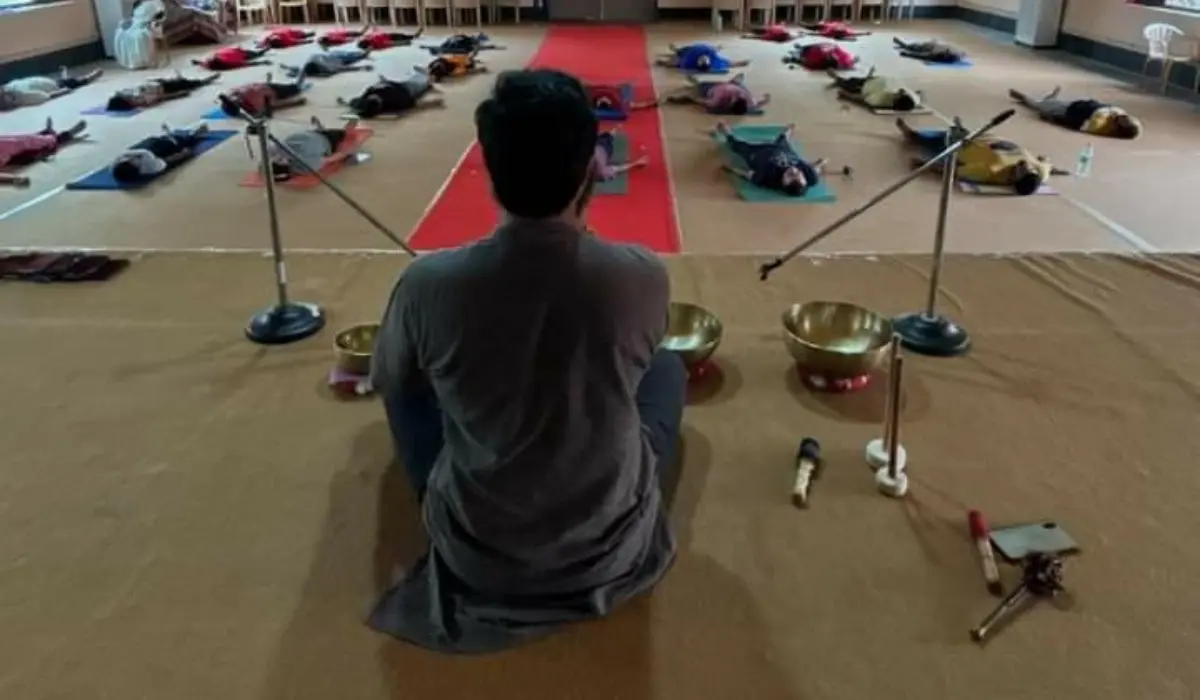
Technique 4 — Yoga Nidra for anxiety
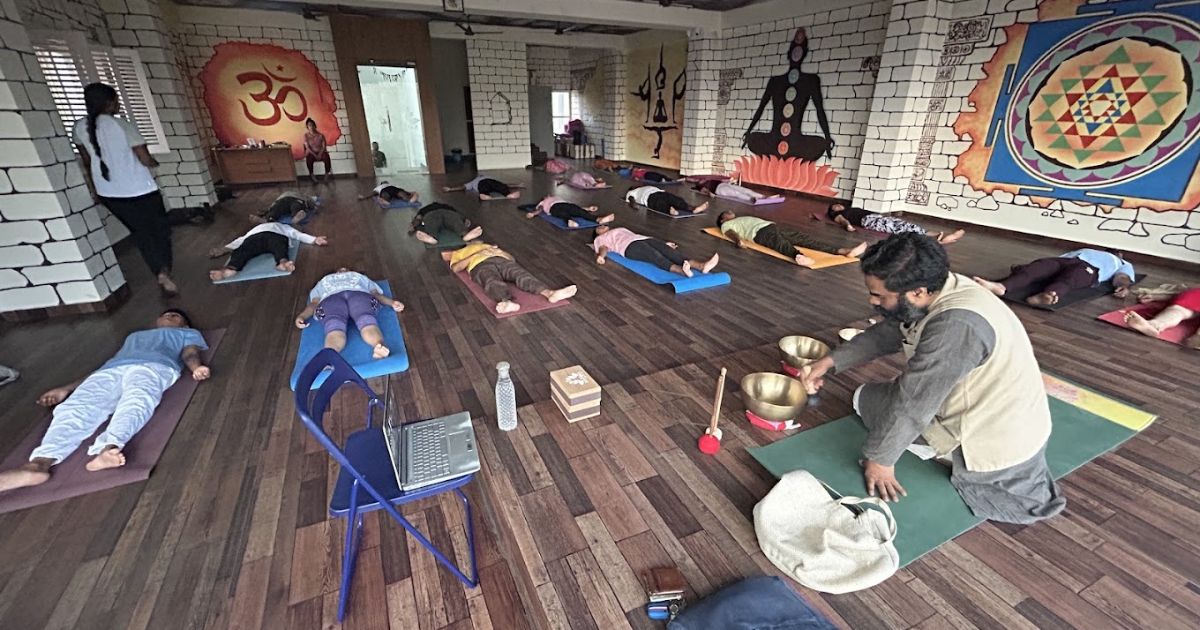
For anxiety that manifests at night, Yoga Nidra is uniquely effective. A 20-minute practice before bed changes the entire quality of the night. Anxiety-related insomnia typically responds within 2–3 weeks of daily practice.
Technique 5 — Restorative asana
Supta Baddha Konasana (reclining bound angle) held for 10 minutes with slow, conscious breathing is deeply restorative for the nervous system — giving the body permission to release its guard.