Why morning is the best time for yoga
The pre-dawn period — Brahma Muhurta in the yogic tradition — is when the nervous system is quietest, cortisol is naturally rising (providing energy without stress), the stomach is empty, and the day has not yet created the mental noise that makes practice harder.
The complete 20-minute sequence
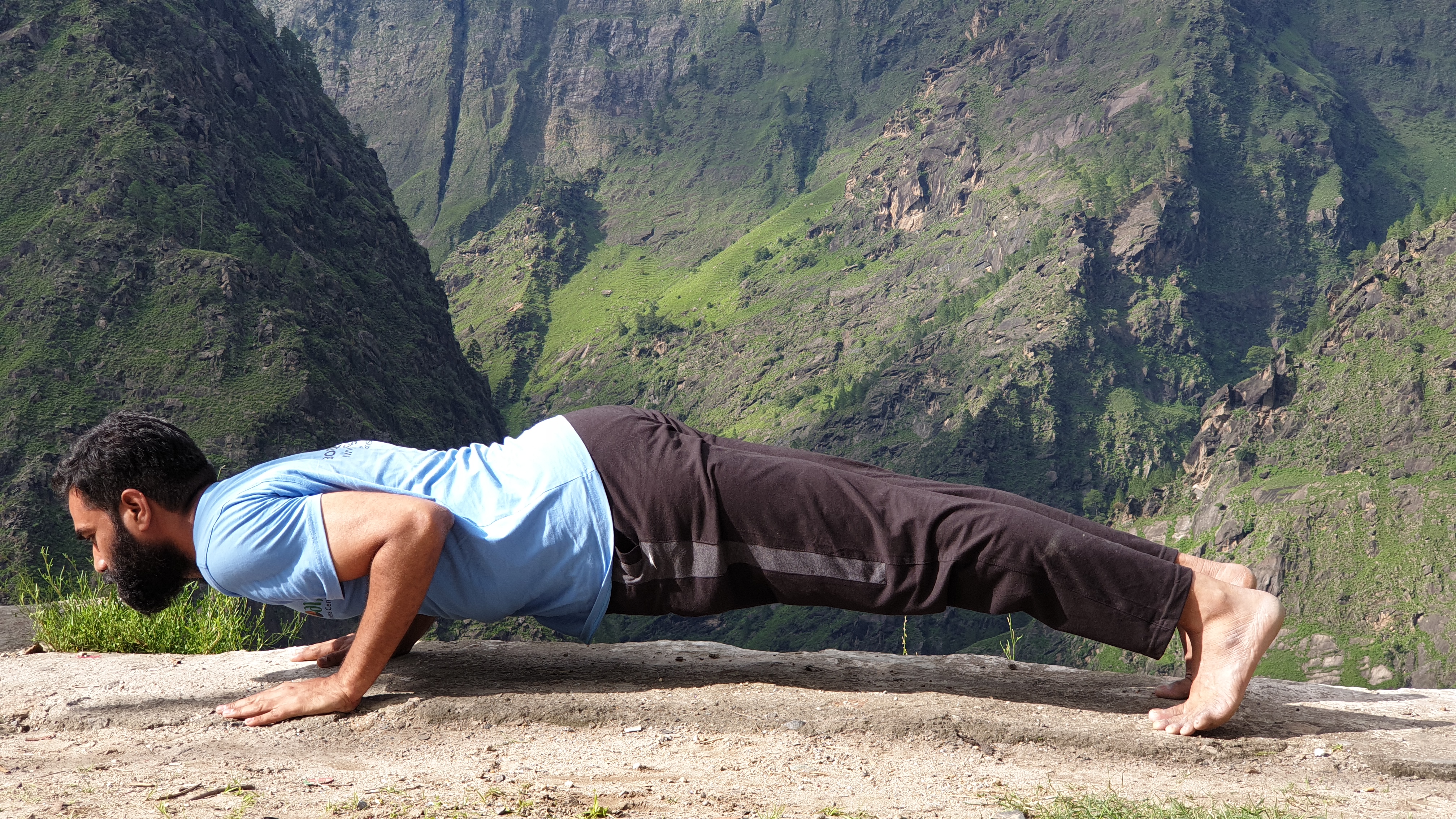
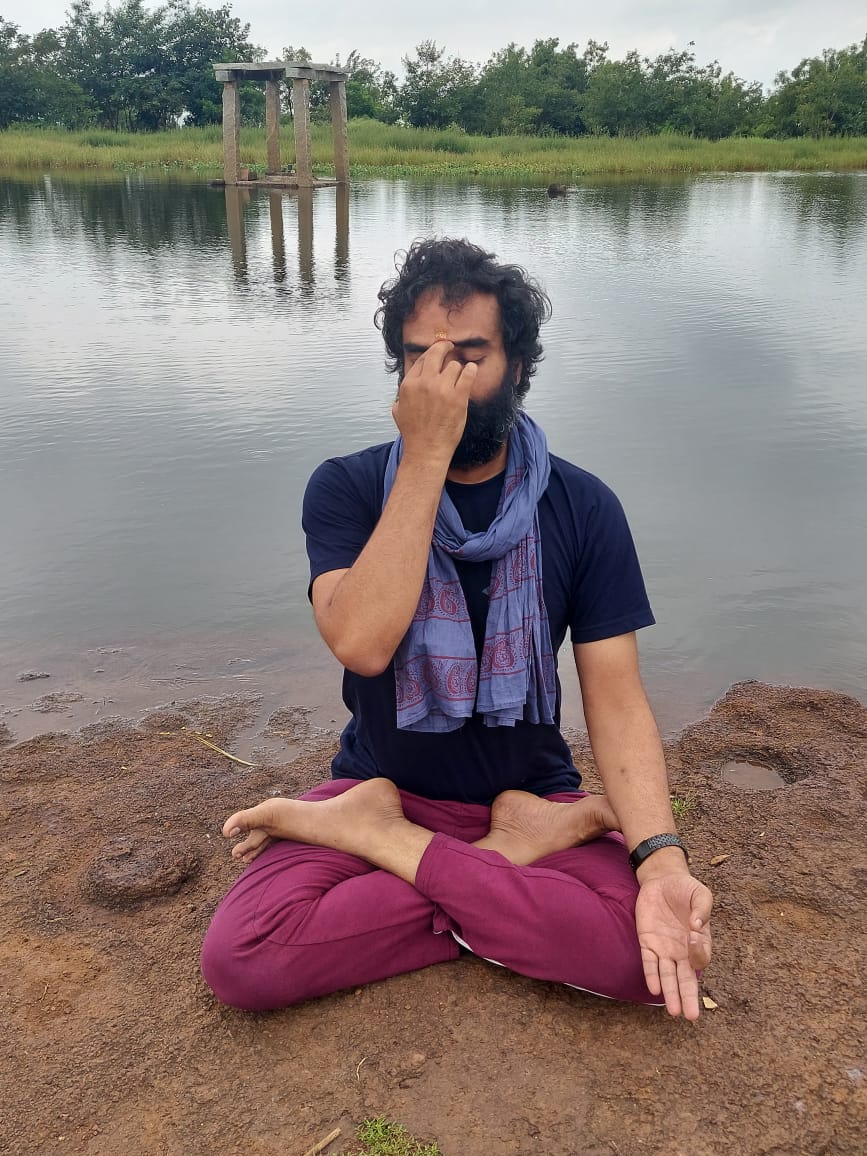
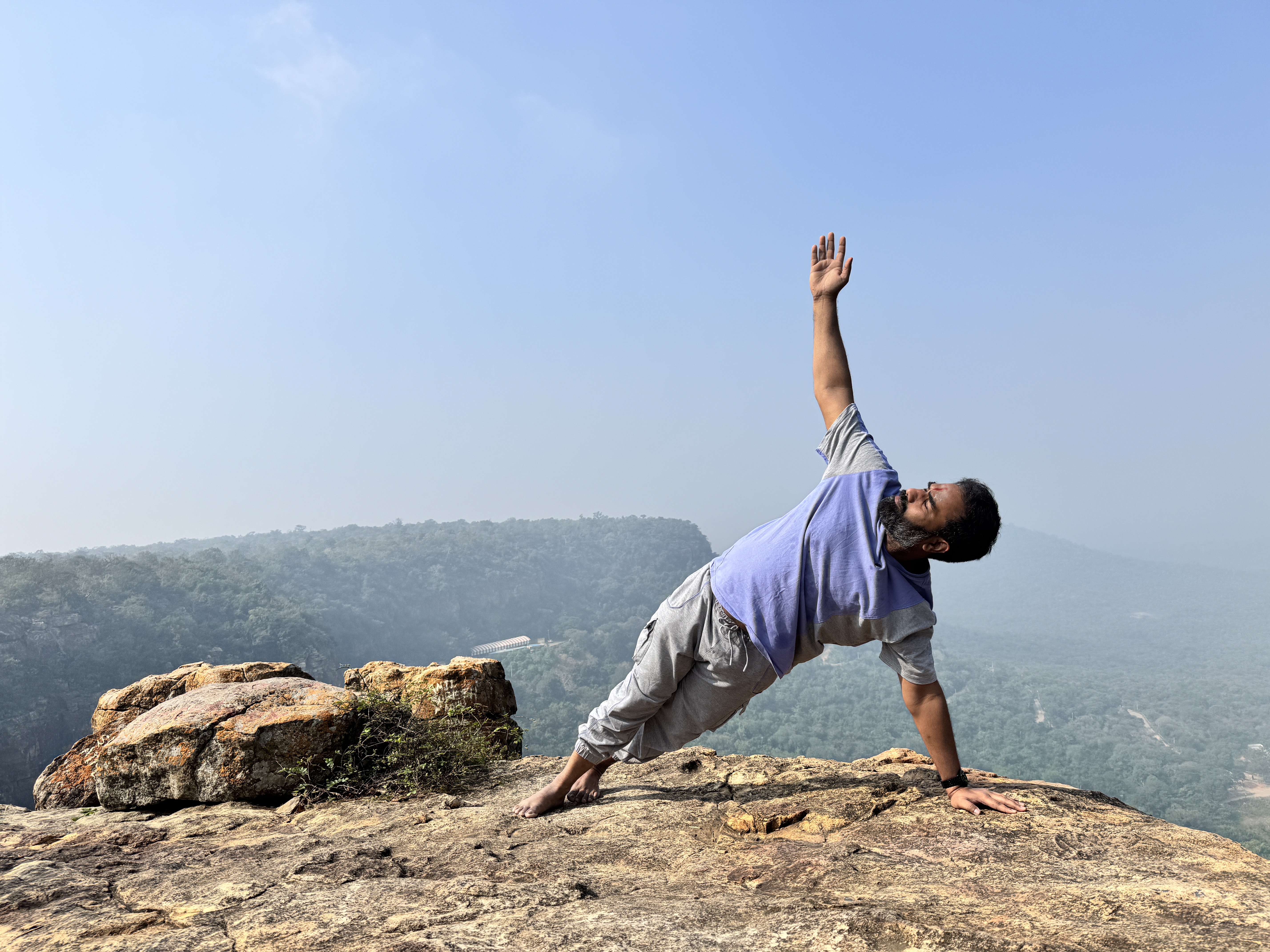
Minutes 0–3 — Pranayama: Nadi Shodhana for 3 minutes. Transitions the nervous system from sleep to waking. Minutes 3–7 — Joint Mobilisation: Neck rotations, shoulder rolls, wrist circles, hip circles, ankle rotations. Minutes 7–15 — Surya Namaskar: 4–6 rounds at a comfortable pace. The heart of the morning practice. Minutes 15–18 — Standing poses: 2–3 standing poses relevant to your goals. Minutes 18–20 — Savasana or seated meditation: Do not skip this. The 2 minutes of rest allows integration.
How to build consistency
The obstacle to morning yoga is not time — it is inertia. Remove decisions: set out your mat the night before, have your practice clothes ready, know exactly what sequence you are doing. Start with 5 days per week for 4 weeks. Consistency over perfection.